The useful question is not which label wins, but which growing medium fits the crop, the region, and the disposal plan.
Read the archive with distance
The historical route behind this note came from a period when peat alternatives were becoming a more visible garden question. The old concern is worth preserving, but the current page is an original reading of the issue, not a republished post and not a claim about what a former business sells today.
A good archive note keeps the date visible. It gives readers a way to understand where a topic came from while making the current boundary clear.
Material choice is a system choice
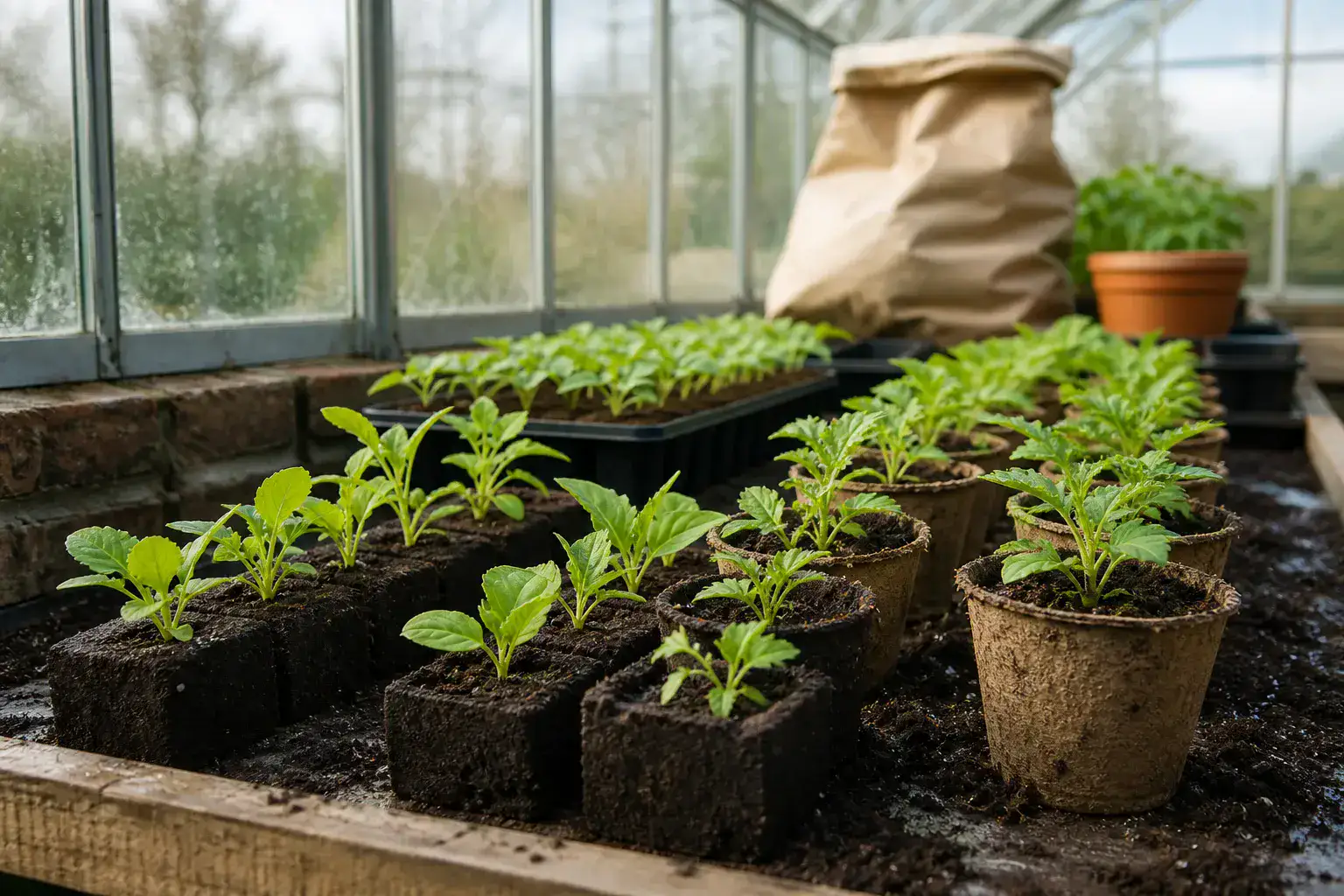
Seed-starting mix has to hold moisture, allow air, support roots, and work with the grower's watering routine. Availability and cost matter too. A substitute that fails in the tray may create more waste than the material it was meant to replace.
NRCS soil-health principles are not a recipe for potting mix, but they offer a useful lens: protect structure, keep roots alive when possible, and ask what happens to the material after use.
Keep the next season in view
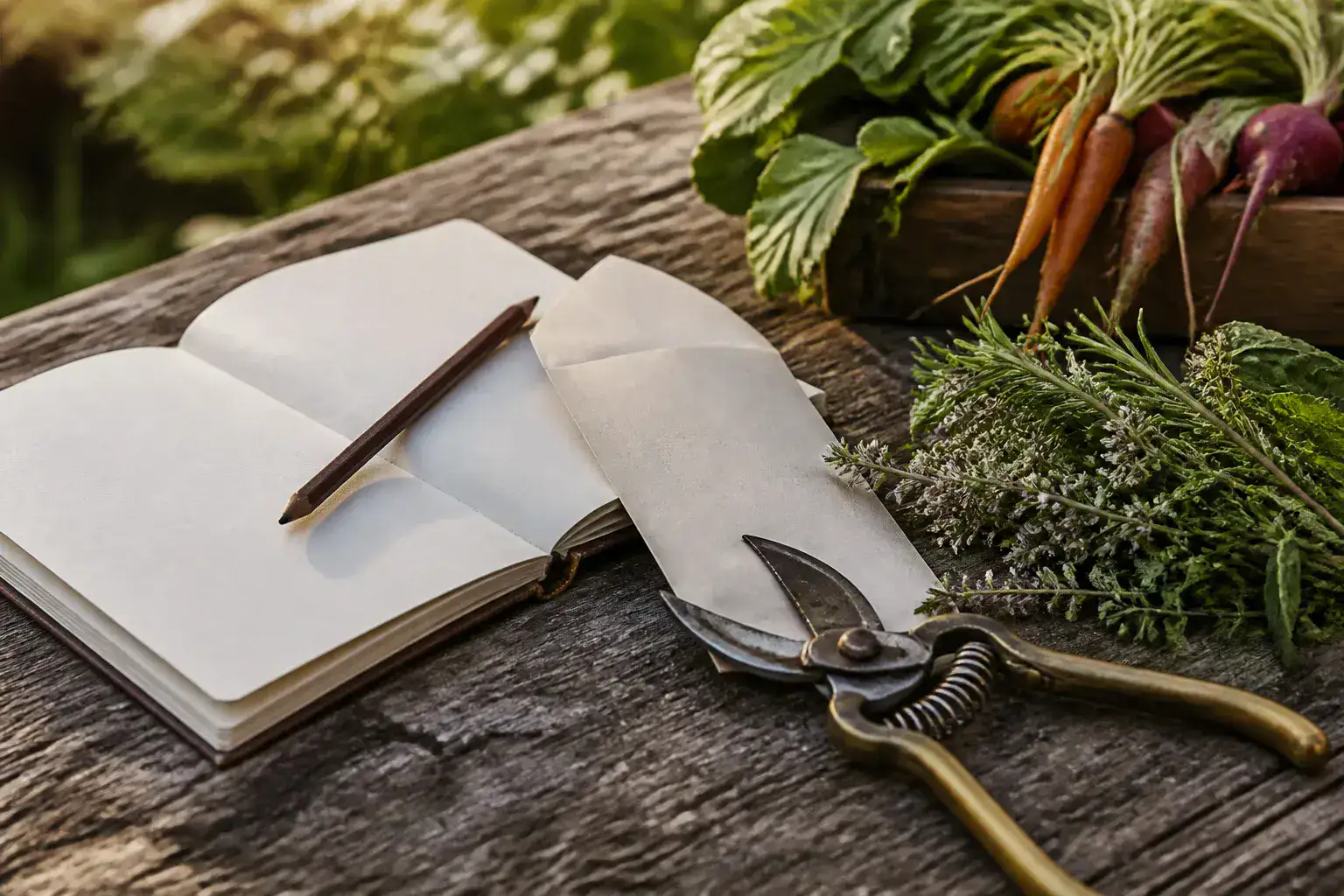
Try a small comparison rather than replacing every tray at once. Note germination, watering, root development, and what can be reused or composted locally. Share the result with a garden group or market grower.
Sustainability improves when a material decision can be tested, described, and adjusted rather than turned into a badge.
Compare performance before making a total switch
A growing medium has several jobs: hold enough water, drain excess water, keep air around roots, anchor the plant, and support the nutrient plan. Peat, coir, composted bark, wood fiber, compost, perlite, and vermiculite contribute different properties. A peat-free label does not guarantee that every mixture fits every crop or irrigation routine.
Set up a small side-by-side trial with the same seed lot, tray type, sowing date, light, and watering check. Record emergence, visible stress, root structure, transplant readiness, and how often each treatment needed water. The point is not laboratory proof. It is a controlled farm or garden note that can improve the next purchase.
Oregon State's vegetable-gardening guidance repeatedly emphasizes matching varieties and methods to regional conditions. Apply the same thinking to media: a cool greenhouse bench, a windy market garden, and a warm windowsill will not dry at the same rate.
Read the bag and plan the end of use
Ingredient order, added fertilizer, wetting agents, pH adjustment, and organic certification status can matter to a grower. Keep the product label with the trial notes, and ask the supplier what quality controls or crop recommendations support the mix. Do not infer that coir, compost, or another substitute has one uniform source or footprint.
Oregon State recommends reducing peat use and looking for alternatives such as coir, compost, or other water-holding materials. That direction still leaves a practical question: what happens after the tray? Clean media may enter an appropriate compost or soil-building route, while diseased plant material and contaminated media need local guidance.
A credible peat-free conversation therefore has three parts: why the material choice matters, whether the replacement grows the crop reliably, and where the used medium goes. Leaving out any one of them turns a system decision back into a slogan.