A home beer night works when three things are settled before the first guest arrives: what food is on the table, what the beer is poured into, and what the group will actually do for the next three hours.
Start With the Table, Not the Guest List
A home beer night works when three things are settled before the first guest arrives: what food is on the table, what the beer is poured into, and what the group will actually do for the next three hours. Get those three in order and a dozen people fit around a small table without anyone standing in the kitchen wondering what happens next. The rest is details, and the details are below.
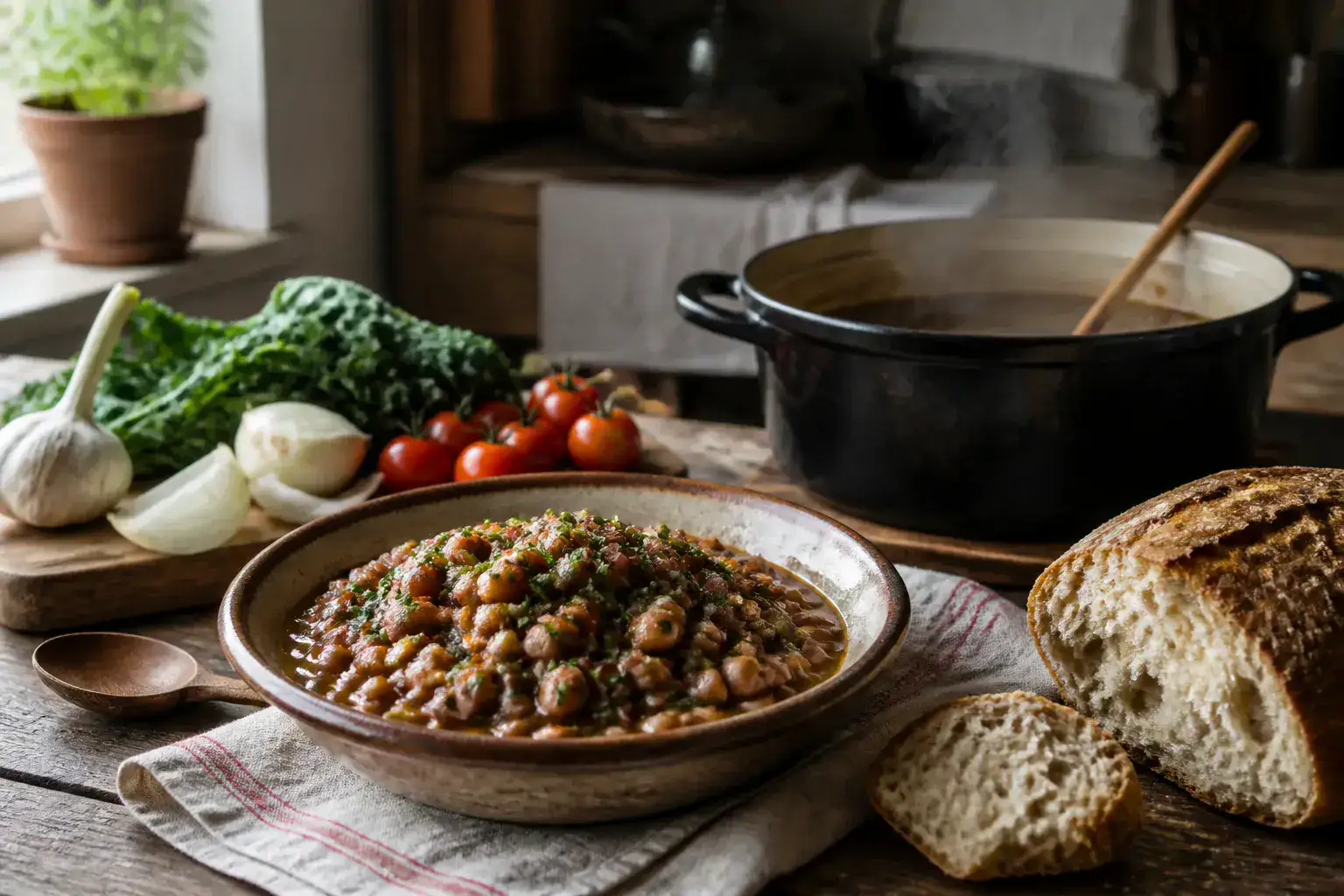
Food decides the shape of the evening. Beer is carbonated, slightly bitter, and served cold, which means it cuts through fat and salt better than wine does. That is the practical reason a beer table leans toward pretzels, sharp cheese, pickles, sausage, roasted nuts, and anything fried. A loaf of beer bread, mixed with a lager or a brown ale and baked until the top cracks, costs almost nothing and gives people something to tear apart while they talk.
Portion math matters more than the menu. For twelve adults over three hours, plan on roughly two to three drinks per person, plus a non-alcoholic option that is actually good, not an afterthought. Water in a visible pitcher on the table does more for the pace of the evening than any rule you could announce.
If the group wants structure rather than standing around, a set of home beer party games gives the night a spine: rules are agreed on in advance, turns are visible, and nobody has to invent an activity at 9 p.m. That is the whole value of writing the rules down before the first pour.
What Glassware Actually Changes
A glass is not decoration. It is a tool for releasing aroma and holding a head.
A tapered pilsner glass keeps carbonation in and pushes aroma up. A wide-mouthed tulip or snifter concentrates malt and ester notes, which is why strong ales taste flatter in a straight pint glass. A mug with a handle is for cold, easy-drinking beer and for hands that are already busy. The boot is a novelty with a real history, and it is a poor vessel for tasting anything.
Washing matters as much as shape. Detergent residue kills foam. Rinse glasses in hot water, let them air-dry upside down, and store them somewhere they will not pick up kitchen odors. A glass that has been sitting open on a shelf for a month will flatten a beer before the first sip.
Pour down the side of a tilted glass, then straighten it at the end to build the head. Two fingers of foam is not a mistake; it is a lid that keeps aroma in and carbonation from escaping too fast.
How Do You Keep a Group of Twelve Moving Around One Small Table?
You stop treating the table as the only space. A small table seats six comfortably, so the room needs a second and third zone: a counter for pouring, a floor or hallway for standing games, and a corner for people who want to sit and talk. Movement between zones is what keeps a party from collapsing into one loud circle.
Practical setup for a tight room:
1. Put the beer and ice in one place, away from the food, so nobody reaches over a platter with a wet bottle. 2. Keep a towel and a bowl for empties within arm's reach of the pour station. 3. Set the games where there is floor space, not where there is furniture. 4. Light the room in pools rather than one overhead bulb. Lamps and string lights make a small room feel intentional instead of crowded. 5. Give the group one clear start time for the first game. After that, people join in as they finish eating.
A counter with two stools, a cooler, and a stack of clean glasses handles more traffic than a bigger table would.
Which Games Work With Food on the Table?
Games split into two families: standing games and table games. Standing games, like flip cup or quarters, need a hard surface and a floor that can take a spill. Table games, like high or low or a card-based circle game, work while people are still eating, because turns are slow and hands stay mostly free.
A few rules that keep both families running:
Write the rules on a card before the night starts. House variants are fine, but they need to be the same variant for everyone. Cap the number of players per round at six. Larger groups split into two stations. Keep a non-alcoholic drink in every round. It changes the pace and keeps the night longer. Decide in advance how a round ends. Most arguments at a beer night are about when a turn is over, not about who won.
Food and games share a table badly if the food is greasy and the game needs clean hands. Pretzels, bread, and cheese work; wings and chips do not, unless there is a separate table for them.
What Goes Wrong, and How to Prevent It
Most home beer nights fail for boring reasons.
Too much beer, too little food. Serve the bread and cheese first, not last. One glass for everything. Two styles in one glass taste like neither. Rinse between styles, or hand out two glasses per person. No end time. A party with a stated finish, even a loose one, keeps guests comfortable and neighbors calm. Games with unclear rules. Confusion reads as chaos. A single printed sheet fixes it. Ice running out. Buy more than the math suggests. Ice is the cheapest thing to over-buy.
Cleanup Is Part of the Setup
A bin for empties, a tray for glasses, and a damp towel near the pour station turn a 45-minute cleanup into ten minutes. Rinse glasses the same night; dried beer foam is far harder to remove than fresh foam, and residue left overnight will flatten the next beer poured into that glass.
Leftover beer bread, if there is any, keeps for two days wrapped on the counter and toasts well the next morning. That is the quiet advantage of a beer night at home: the food, the glassware, and the rules all serve the same goal, which is a room full of people who know what they are doing and are not in a hurry to leave.