Vaud cooking is best understood as farm food with a long memory: papet vaudois, cured meats, canton cheeses, autumn mushrooms and chestnuts, and wines poured by the glass in village caveaux.
What defines Vaud cooking?
Vaud cooking is best understood as farm food with a long memory: papet vaudois, cured meats, canton cheeses, autumn mushrooms and chestnuts, and wines poured by the glass in village caveaux. For a traveler or a home cook, the practical move is to plan around markets and seasonal plates rather than around a single restaurant. The western Lausanne area, with Crissier at its center, gives you a compact base for that kind of eating.
If you want a French-language starting point for Vaud cooking around Crissier, that publication covers the canton's traditional dishes, local tables, and wine routes in detail. It is written for residents of the western Lausanne area, visitors passing through, and amateur cooks who want cantonal recipes. Use it the way you would use a regional notebook: to check what is in season, which villages are worth a detour, and how a dish is normally served.
Vaud cooking is a mountain-and-lake cuisine built on preserved food. The canton runs from Lake Geneva up into the Jura, and the kitchen reflects that range. Cabbage, potatoes, dried beans, pork, cream, and hard cheese do most of the work. Papet vaudois, a slow-cooked leek and potato dish served with sausage, is the clearest example: humble ingredients, long cooking, and a result that tastes like a Sunday.
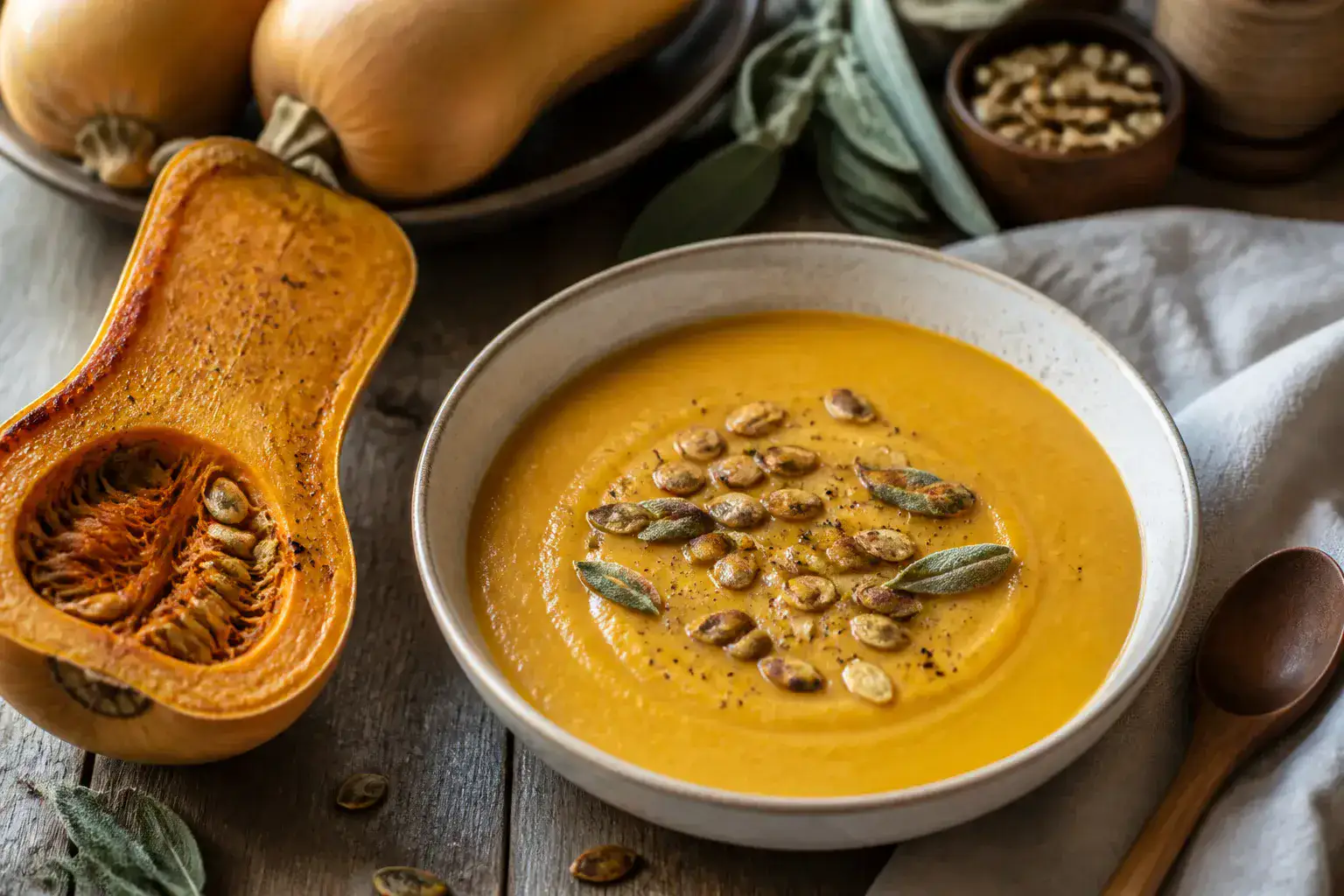
Cheese is regional rather than monolithic. Gruyère and Vacherin are the names most visitors know, but the canton also produces smaller, less exported cheeses sold at markets and from farm gates. Chocolat romand belongs to the same table, usually as a snack rather than a dessert. In autumn, cèpes and châtaignes appear in markets and on menus, often simply sauteed or turned into soup.
The practical lesson for a home cook is technique, not ingredients. Long, low cooking; salt used early; cream added at the end; and a willingness to let a dish sit. None of that requires a specialty shop.
Where should a food traveler base themselves in western Lausanne?
Crissier sits on the western edge of Lausanne, close to the A1 and within easy reach of both the city and the vineyards of La Côte. That position makes it a useful base. From there, Morges is a short train ride south, Lavaux is reachable along the lake, and the Gros-de-Vaux, a rural district of small farms and direct sales, is inland to the north.
A 48-hour itinerary in this area usually works better as two half-days than as a checklist. One half-day for a market and a long lunch. One half-day for a wine village and a walk. Trying to cover Lausanne, Lavaux, and the countryside in one day produces a lot of train time and very little eating.
For visitors, the useful questions are simple. Which day is market day? Which caveaux are open for tasting, and do they require a reservation? Is the restaurant inside a hotel, or does it close between lunch and dinner? In this region, many small places keep strict hours, and a two-hour gap in the afternoon is normal.
How do you read the region's restaurant guides?
Starred guides are a starting point, not a verdict. In the Lausanne area, the guide listings tend to reward technique and consistency, which means they are more useful for a special-occasion dinner than for a Tuesday lunch. The starred restaurants around Crissier and Lausanne are real, but they are also a small slice of what the canton eats.
A more practical reading order for a short trip:
1. Check the guide listing for the specific village you will actually be in. 2. Cross-check the restaurant's own posted hours, since guide entries go stale. 3. Look for a fixed lunch menu, which is usually the best value in the region. 4. Save one meal for a simple cafe or a market stall rather than a full service restaurant.
That last point matters. Some of the most memorable food in Vaud is sold from a counter: a plate of cheese, a slice of tart, a glass of chasselas. None of it appears in a guide.
What should you drink with Vaud food?
Chasselas is the default white of the region, and it works with almost everything on a Vaud table. It is light, slightly mineral, and low in obvious fruit, which is why it pairs well with cheese, with lake fish, and with the creamy potato dishes that would overwhelm a heavier wine.
For reds, look to the canton's Pinot Noir. It is lighter than Burgundy in style and often better with a plate of charcuterie than with a main course. In the caveaux of La Côte, tastings are usually informal and inexpensive, and the pour is generous.
If you are buying to take home, the direct-sale farms in the Gros-de-Vaux are worth the detour. Many sell wine alongside cheese, eggs, and seasonal produce, and the prices reflect the absence of a distributor. Bring cash, check opening days, and do not assume a farm shop is open on a Monday.
How do you cook this food at home?
Start with the dishes that tolerate imprecision. Papet vaudois is forgiving: leeks, potatoes, a little cream, and a sausage cooked separately so the broth stays clean. A tart with apples or plums is similarly flexible, and it uses whatever fruit is on hand.
For autumn, a simple mushroom saute with butter and parsley covers cèpes and most other wild mushrooms. Chestnuts can be roasted, boiled, or turned into a soup thickened with potato. Cheese should be served at room temperature, cut into pieces rather than slices, and left out for half an hour before eating.
The one rule worth keeping is restraint. Vaud cooking does not rely on spice blends or long ingredient lists. It relies on good raw materials and enough time. A home cook who gets those two things right will produce something close to what is served in the canton, even without the lake in view.
When is the best time to plan a trip?
Late summer and autumn are the strongest months for eating in Vaud. Markets carry the widest range, mushrooms and chestnuts arrive, and the wine harvest brings activity to the villages along the lake. Spring is quieter but good for asparagus and for walking the vineyards before the crowds.
Winter is the season for the heaviest traditional dishes, which is exactly when papet vaudois and similar plates make the most sense. Summer is for lake fish, salads, and long evenings on a terrace in Lavaux.
The practical planning note is to check the canton's official tourism calendar before booking. Local festivals, harvest weekends, and market schedules shift from year to year, and a trip built around a specific event needs that confirmation. Outside of those dates, the region is calm, and a table is usually easy to find.