The method is simple enough to try, but not simple enough to ignore safety guidance.
What the method asks of you
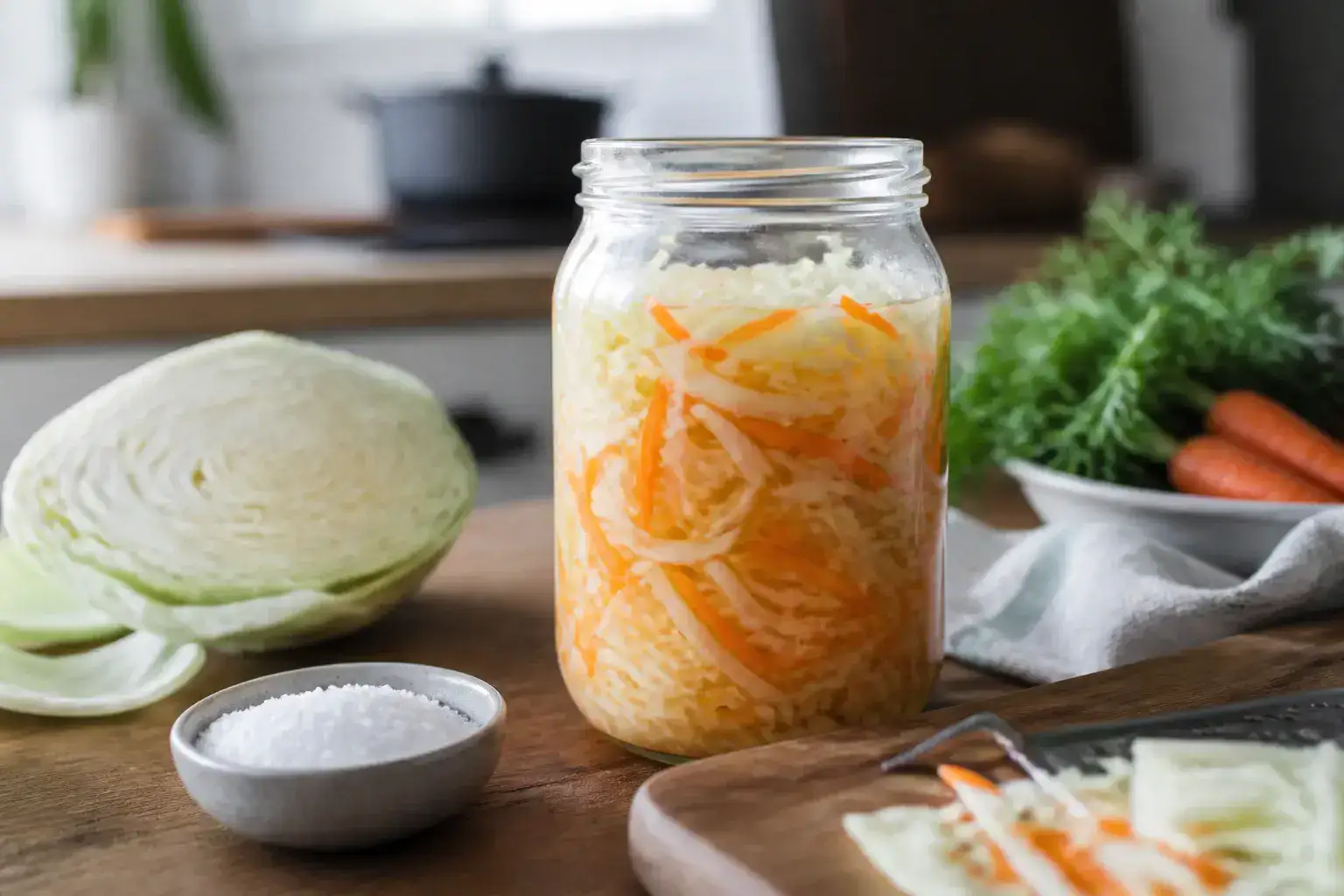
A small batch of cultured vegetables begins with sound produce, clean equipment, a salt solution or tested recipe, and a place where the jar can be observed. The vegetables need to remain under the liquid so the intended fermentation environment can do its work.
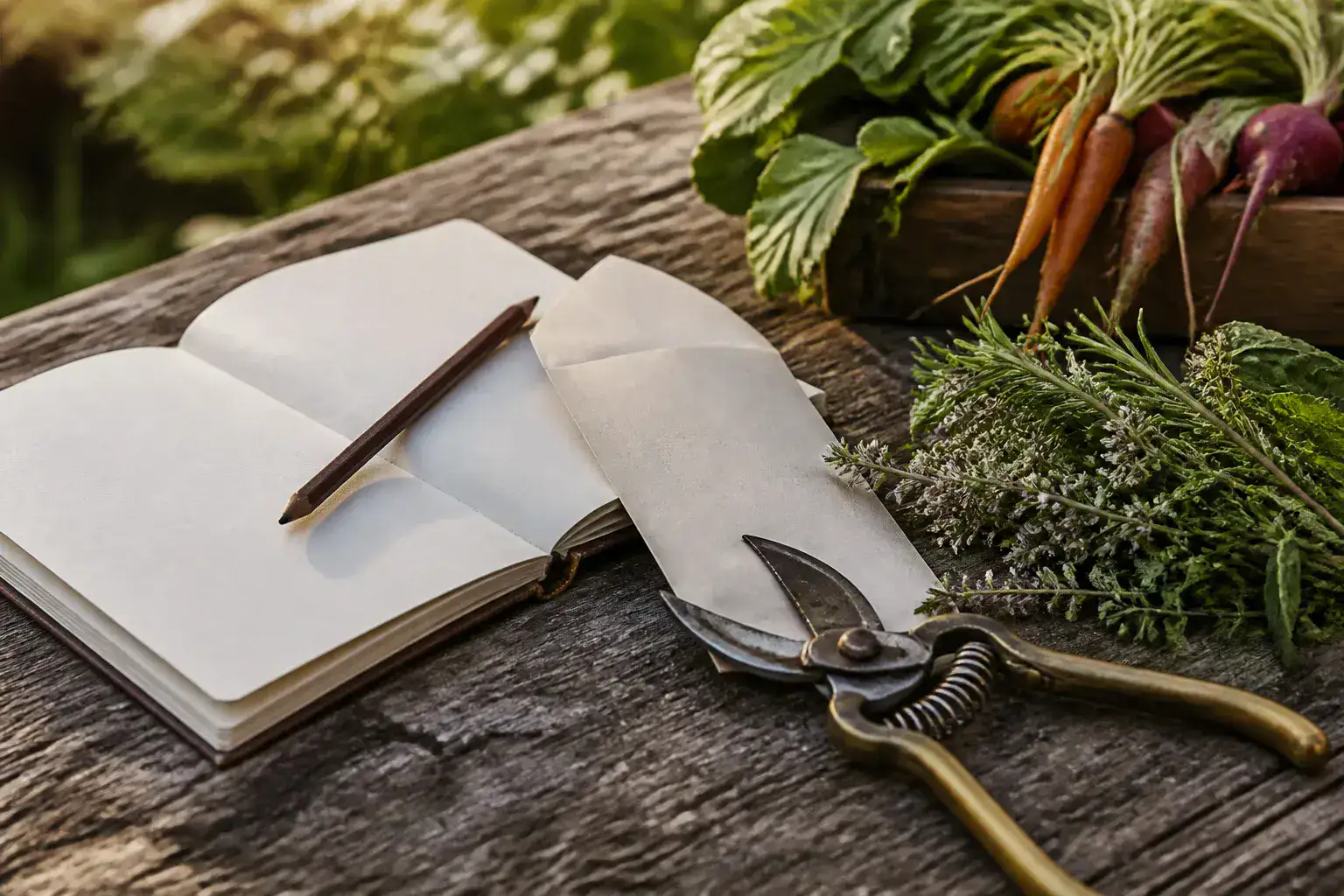
Choose one vegetable and a modest jar for the first attempt. A simple batch teaches more than a crowded one because you can see changes in smell, color, texture, and activity. Keep notes on the date, ingredients, and room conditions.
Use your senses, then use a source
Bubbles and a bright sour aroma can be part of a normal fermentation, but sensory inspection is not a replacement for a tested food-safety method. If the batch looks moldy, smells rotten, or leaves you uncertain, do not taste it. FoodSafety.gov's FoodKeeper and local extension resources are better references than an improvised shelf-life claim.
Refrigeration slows activity after the desired flavor develops. Label the jar, keep it cold, and treat every batch as a perishable food.
Put the jar on the seasonal table
Cabbage, carrots, cucumbers, and radishes all change the texture of a plate, but the best choice is the crop you have enough of to use. A sharp spoonful can balance a bean bowl, a soup, or a roast vegetable plate.
Fermentation is a preservation practice, not a wellness product. The point here is flavor, thrift, and a more attentive relationship with a crop.
A tested recipe is the first piece of equipment
The National Center for Home Food Preservation treats acidity, salt, ingredient proportions, and food-grade containers as parts of the safety system. Choose one of its tested recipes or a current university extension recipe before buying weights or airlocks. Do not improvise by reducing salt or changing the food-to-liquid ratio in a fermented pickle recipe.
Measure ingredients as the recipe directs. A casual handful may be fine for a salad, but fermentation depends on an environment that favors the intended organisms. Fresh, firm vegetables without spoilage give that process a cleaner starting point. Use water and salt that meet the recipe's instructions, and keep notes precise enough to repeat the batch.
A small jar is useful only if the recipe is designed for that scale. Scaling a tested formula still requires preserving its proportions and using suitable equipment. If the method feels ambiguous, pause and find a clearer tested version rather than using appearance as proof.
Observe without turning observation into a safety test
Write down the start date, recipe source, room conditions, and any instructed checks. Keep vegetables submerged as the tested method requires and protect the vessel from contamination. A clean weight and cover solve a real process problem; decorative accessories do not replace them.
Normal activity can include bubbles, cloudiness, and a changing aroma, but those signs cannot certify safety on their own. Follow the recipe's instructions for temperature, time, refrigeration, and discarding. Never taste a batch to decide whether an unexplained mold, rotten odor, or failed seal is harmless.
Once refrigerated, label the jar and use clean utensils. Serve the ferment as a bright, perishable condiment, then review the notes before the next crop arrives. The result is a kitchen practice with a memory, not a mystery jar.